Ukraine Invasion: Inside Russia's Schools of Militarization
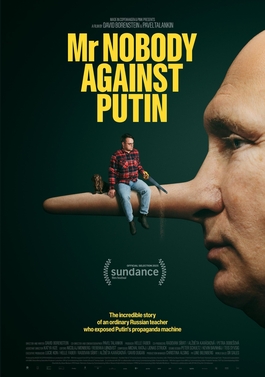
The conflict in Ukraine has reverberated far beyond the battlefield, deeply altering the social fabric within Russia itself. One of the most concerning transformations is happening within the country's education system, where schools are increasingly becoming centers for military-patriotic education and, some might argue, war recruitment. This alarming trend, hinting at a systematic effort to shape the minds of future generations, brings to light profound ethical dilemmas for educators and paints a stark picture of a society under pressure. The very notion of a teacher secretly documenting these changes, as the conceptual narrative of Mr Nobody Against Putin Streaming suggests, underscores the high stakes and the courage required to expose such realities.
Far from being isolated incidents, reports indicate a widespread shift, turning classrooms into ideological battlegrounds where children are taught not just academics but a specific, often militarized, version of patriotism. This article delves into the mechanisms of this transformation, the ethical quagmire faced by teachers, and the long-term implications for Russian society.
The Classroom as a Recruitment Ground: A Systemic Shift
The militarization of Russian schools isn't merely about occasional guest speakers or flag-raising ceremonies; it's a deeply embedded, top-down strategy. Since the full-scale invasion of Ukraine, new directives and curricula have been introduced nationwide, fundamentally altering the educational landscape. These initiatives aim to foster a sense of national unity, loyalty to the state, and preparedness for military service from a young age.
- "Lessons on Important Things" (Razgovory o Vazhnom): This mandatory weekly class, introduced across all schools, serves as a primary vehicle for state propaganda. Topics range from Russian history and culture to the "special military operation" in Ukraine, often presenting a one-sided, pro-Kremlin narrative. Children are taught to see Russia's actions as defensive and morally justified.
- Youth Army (Yunarmiya): This national military-patriotic movement, established in 2016, has seen a significant surge in recruitment. Children as young as eight are encouraged to join, participating in military drills, physical training, and patriotic events. The goal is to instill discipline, military skills, and loyalty to the Motherland. Many schools now actively promote Yunarmiya membership, often making it seem like a natural and expected progression for students.
- Military-Sports Games and Competitions: Traditional school events are increasingly being replaced or augmented by military-themed competitions. These often involve replica weapons, obstacle courses, and drills, normalizing military concepts and making them an integral part of childhood experience.
- Portrait Galleries and Memorials: Schools are encouraged to display portraits of fallen soldiers from the Ukraine conflict and to establish memorial plaques, framing them as heroes. This creates an environment where military service is glorified and sacrifice for the state is presented as the ultimate act of patriotism.
This comprehensive approach ensures that children are constantly exposed to pro-war messaging, gradually shaping their perceptions and preparing them for potential future military involvement. The narrative suggested by a teacher's secret documentation, akin to the themes explored in the concept of Mr Nobody Against Putin Streaming, provides a crucial, unsettling glimpse into the mechanisms of this transformation, highlighting the rapid reorientation of educational priorities.
Educators on the Ethical Frontline: Between Duty and Conscience
The dramatic shift in educational policy places an immense burden on Russian teachers. Many entered the profession driven by a desire to educate, inspire critical thinking, and foster well-rounded individuals. Now, they find themselves caught between their professional ethics and the demands of a state eager to mold young minds into loyal soldiers or compliant citizens. This internal conflict is at the heart of the narrative surrounding a teacher exposing school war recruitment.
The pressure on educators is multifaceted:
- Fear of Reprisal: Speaking out against state directives carries significant risks, including job loss, public shaming, and even legal consequences under strict new laws against "discrediting the armed forces." This atmosphere of fear compels many teachers to comply, even if it goes against their personal beliefs.
- Propaganda Delivery: Teachers are expected to deliver "Lessons on Important Things" and promote state-approved narratives, turning them into unwilling conduits of propaganda. This forces them to compromise their integrity daily.
- Witnessing Indoctrination: Many educators are deeply disturbed by the content they are required to teach and the impact it has on their students. They witness firsthand the erosion of critical thought and the normalization of conflict.
- Supporting Students: Despite the pressures, some teachers discreetly try to offer alternative perspectives, encourage independent thinking, or provide a safe space for students to express doubts, though this must be done with extreme caution.
The story of a teacher, like the one portrayed in the spirit of Mr Nobody Against Putin: Teacher Exposes School War Recruitment, who chooses to secretly document these changes, exemplifies the profound ethical dilemmas faced. These individuals grapple with the potential consequences of resistance versus the moral imperative to protect the children from indoctrination. It's a fight for the soul of education against powerful state machinery, as further elaborated in Russian Schools in War: Educators' Ethical Fight Against Propaganda.
Shaping the Next Generation: The Long-Term Consequences
The militarization of schools is not just about immediate recruitment; it's a long-term strategy to shape the worldview and values of an entire generation. By indoctrinating children from a young age, the state aims to create a population that is:
- Unquestioningly Loyal: Instilling unwavering loyalty to the state and its leadership, making them less likely to challenge authority or question official narratives.
- Militaristically Inclined: Normalizing military service and conflict as a natural and even honorable part of life, reducing resistance to future mobilizations or military actions.
- Homogenized in Thought: Suppressing critical thinking and independent analysis, leading to a generation less capable of evaluating complex information or forming their own informed opinions.
- Prepared for Isolation: Fostering a sense of national exceptionalism and antagonism towards perceived external enemies, preparing them for potential future international isolation.
The psychological impact on children is profound. Constant exposure to war rhetoric, patriotic symbolism, and military drills can lead to increased anxiety, desensitization to violence, and a distorted understanding of history and current events. It can also create division within families, as children bring home state-approved narratives that may conflict with their parents' views.
For parents, the choices are equally difficult. Some may embrace the new curriculum, genuinely believing in the state's message. Others may feel helpless, unable to shield their children from the pervasive influence of the school system without risking their own livelihoods or safety. The chilling effectiveness of this system lies in its ability to penetrate the most fundamental institutions of society, turning places of learning into instruments of state policy.
The Importance of Independent Witness: Echoes of "Mr Nobody Against Putin Streaming"
In an environment where state media dominates and dissent is suppressed, independent voices and secret documentation become incredibly powerful. The concept of Mr Nobody Against Putin Streaming, suggesting a hidden observer bringing truth to light, highlights the critical role of transparency and the courage to expose uncomfortable realities. Such efforts, whether in the form of actual documentaries, underground reports, or the quiet defiance of educators, are vital for several reasons:
- Countering Propaganda: They provide alternative narratives and expose the mechanisms of state control, offering a crucial counterbalance to official messaging.
- Informing the World: They alert the international community to human rights abuses and ideological indoctrination, prompting greater awareness and potentially, action.
- Empowering Internal Resistance: Knowing that their experiences are being documented and shared can empower those within Russia who feel isolated and afraid, offering a glimmer of hope for future change.
- Historical Record: They create an invaluable historical record for future generations, ensuring that the full truth of this era is not lost or rewritten by those in power.
The bravery of individuals who, despite immense personal risk, choose to document and share these hidden truths cannot be overstated. They are the unseen heroes, often working in the shadows, whose efforts are essential for preserving integrity and exposing the systemic shifts occurring within Russia's educational sphere.
Conclusion
The militarization of Russian schools represents a deeply concerning trend, transforming institutions of learning into instruments of state control and war preparation. From mandatory patriotic lessons to military-themed youth programs, the education system is systematically shaping a generation to conform to a specific ideology. This process places immense ethical strain on teachers, who find themselves caught between their professional duties and their moral conscience, and carries profound long-term consequences for the future of Russian society. The concept of a hidden observer, such as that suggested by Mr Nobody Against Putin Streaming, underscores the vital importance of independent documentation and the courage required to reveal these truths to a world that must understand the full scope of Russia's internal transformation.